
Understanding Index Funds
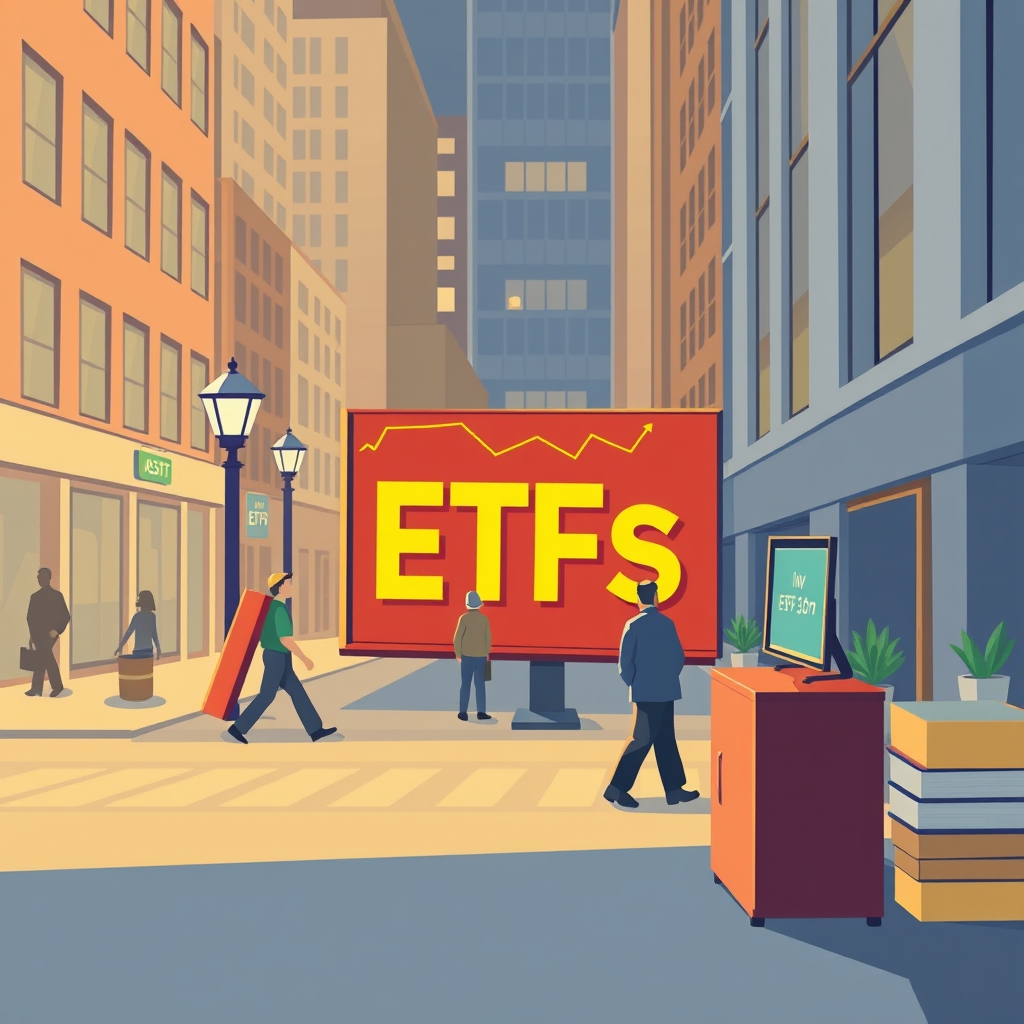
Index funds have become a popular investment choice for many due to their simplicity and diversification. These funds aim to match the returns of a market index like the S&P 500 by investing in the same companies represented in the index. The appeal of index funds is primarily in their low fees and reduced risk compared to individual stock picking. When you invest in an index fund, you're essentially buying shares in a collection of stocks—or bonds—that mirror a market index. For example, a fund tracking the S&P 500 includes shares from all 500 companies in the index. This broad exposure means if one company underperforms, the impact on your investment is cushioned by the others. Due to their diversified nature, index funds are often recommended for long-term investors who prefer a hands-off approach, making them ideal for retirement accounts like 401(k)s or IRAs. Plus, the fees are typically lower compared to actively managed funds, because less trading means fewer costs. However, index funds also mean you forego the possibility of significantly outperforming the market since they aim to replicate it, not beat it. For many, the trade-off is worth the peace of mind and stability it provides.

The Draw of Individual Stocks
Investing in individual stocks offers another path, one that many find exciting and rewarding, especially for those who enjoy diving deep into market research. When you purchase stocks, you're buying a piece of the actual company—a share of its future profits and potential growth. For instance, if you pick a company that grows rapidly, like some tech giants have in the past years, your investment can yield impressive returns. However, this potential for higher reward comes with increased risk. Stocks can be volatile, with prices fluctuating rapidly based on company performance, industry news, or broader economic factors. A savvy investor might thrive in this environment by carefully picking winners, but the downside can be steep. If one of your chosen companies suffers losses, your portfolio feels it directly. Moreover, trading individual stocks requires time, knowledge, and a strong stomach for volatility. You must be able to evaluate company fundamentals, keeping abreast of market trends and economic indicators. This is why some investors prefer stocks in their brokerage accounts for tangible profits but keep a core investment in index funds for stability. It’s a delicate balance and understanding your comfort with risk is key.
Costs and Fees Break Down
One of the critical considerations when choosing between index funds and individual stocks is understanding the costs involved. Index funds typically have lower expense ratios, often less than 0.20%, meaning a lower slice of your returns goes to management. For instance, if you invest $10,000 in an index fund with a 0.20% fee, you would pay $20 annually. In contrast, individual stocks don't incur these fees, but regular trading can lead to other costs, such as brokerage commissions and taxes on dividends or sold gains. Brokerage accounts may charge fees ranging from $0 to $10 per trade, and while some offer commission-free trades, they might recoup costs through other fees, like account maintenance. A frequent trader can see these costs add up quickly. Additionally, holding stock in certain industries could necessitate higher research costs to truly understand market drivers. For long-term investors, especially those in retirement accounts where frequent trades are less common, these costs may not outweigh the potential returns of individual stocks. Yet, for beginners or passive investors, index funds' predictability and low costs can frequently be more attractive. Understanding your investment scenario's full cost implications is essential to making a well-informed decision.

Long-term vs. Noise: What Matters Most
In the investing world, it's crucial to differentiate between long-term trends and market noise. A common pitfall for many investors is reacting to every dip and surge in the stock market, a behavior driven by daily news cycles rather than long-term objectives. Index funds, with their diversified nature, offer a buffer against this volatility. Their value reflects broader market health over years, not days, which aligns well with goals like saving for retirement or a child's education. On the other hand, individual stocks are more laser-focused. They react acutely to company news—earnings reports, product launches, or leadership changes can send a stock soaring or plummeting. For investors chasing these opportunities, there's a risk of emotional decision-making, like abandoning a stock due to a short-term dip or buying into hype without solid fundamentals. The key is having a clear understanding of your goals and risk tolerance. For instance, if you're planning for retirement decades down the line, staying the course with index funds might better suit you. If you relish the market's intricacies and have time to devote to research, individual stocks could provide the edge you're after. Remember, investing should be viewed as a marathon, not a sprint.