
Demystifying the FICO Score
Understanding how your credit score works might feel like unraveling a mystery, but it’s essential for anyone dealing with loans or credit cards in the US. The FICO score is often the most common scoring model lenders use to determine your creditworthiness. It's built on five crucial factors: payment history, amounts owed, length of credit history, types of credit used, and new credit inquiries. Payment history makes up 35% of the score, so paying bills on time is the most impactful action you can take. On the other hand, the amount owed constitutes 30%, so maintaining a low credit utilization ratio is crucial. Aim to use no more than 30% of your available credit to keep this ratio healthy. The remaining factors — the length of credit history, new credit searches, and credit mix — together account for the remaining 35%. Each contributes in its own way, like how a long history of responsible credit usage can boost your score. Remember, the check for initial or soft inquiries doesn’t affect your score. The US credit landscape teems with intricacies, but arming yourself with the basics of how scores are tallied by FICO provides a clearer picture for gauging loan eligibility and interest rates.
The Impact of Credit Scores on Loan Offers
Getting a loan with a favorable interest rate can significantly depend on your credit score. Let’s break down how this plays out in real terms. Suppose you have a FICO score of 720, considered good by most lenders, and someone else has a score of 620, teetering between fair and poor. When both apply for a $200,000 mortgage, the 720 score might secure an interest rate of 3.75%, whereas the 620 score might face a 5% rate. Although 1.25% doesn’t sound like much, it dramatically affects the total interest paid over the life of a 30-year loan. With the higher rate, the interest could amount to more than $189,000 compared to $133,000 with the lower rate. This simple illustration showcases why improving your credit score can save you substantial money. Always aim to better your score before committing to a large loan; it’s often the difference between comfortably making payments and barely scraping by. The lesson here is clear: a little proactive credit management goes a long way in boosting your financial health.

Navigating Through Myths and Realities
There’s a lot of misinformation floating around about credit scores. Knowing what truly impacts your score and what's just myth can save you stress and restore clarity. One common myth is that checking your credit lowers your score. In reality, checking your credit through a soft inquiry, like when you review your score using personal finance apps or from your bank, has zero impact. Hard inquiries, on the other hand, which occur when lenders check your credit for loan approvals, can slightly ding your score if too many happen in a short period. Another myth is that closing old accounts will automatically improve your score. Closing accounts reduces the average age of your credit and your available credit, both of which can negatively impact your score. There’s also the mistaken belief that carrying a balance on your credit card improves your score, but paying it off completely showcases responsible credit behavior. Distinguishing fact from fiction enables you to focus on actions genuinely beneficial to your credit health.
Dangers of Minimum Payment Traps
While it might seem enticing to pay just the minimum on credit card bills, doing so can trap you under a mountain of debt. Minimum payments cover just a tiny fraction of the principal amount, with the rest going to interest. For instance, consider a credit card balance of $5,000 with an 18% interest rate. Paying only the minimum monthly payment of $100 could take over 30 years to pay off, costing potentially over $8,000 in interest alone. Meanwhile, increasing the payment to $200 monthly could reduce the payoff time to less than three years, saving you almost $6,000 in interest. Be wary of promises that sound too good to be true, like predatory loan agreements that prey on those desperate for quick cash but come laden with hefty interest rates. Instead, create a realistic budget that prioritizes higher credit card payments and look for ways to consolidate debt under lower interest rates, freeing you from the vicious cycle of revolving credit card debts.
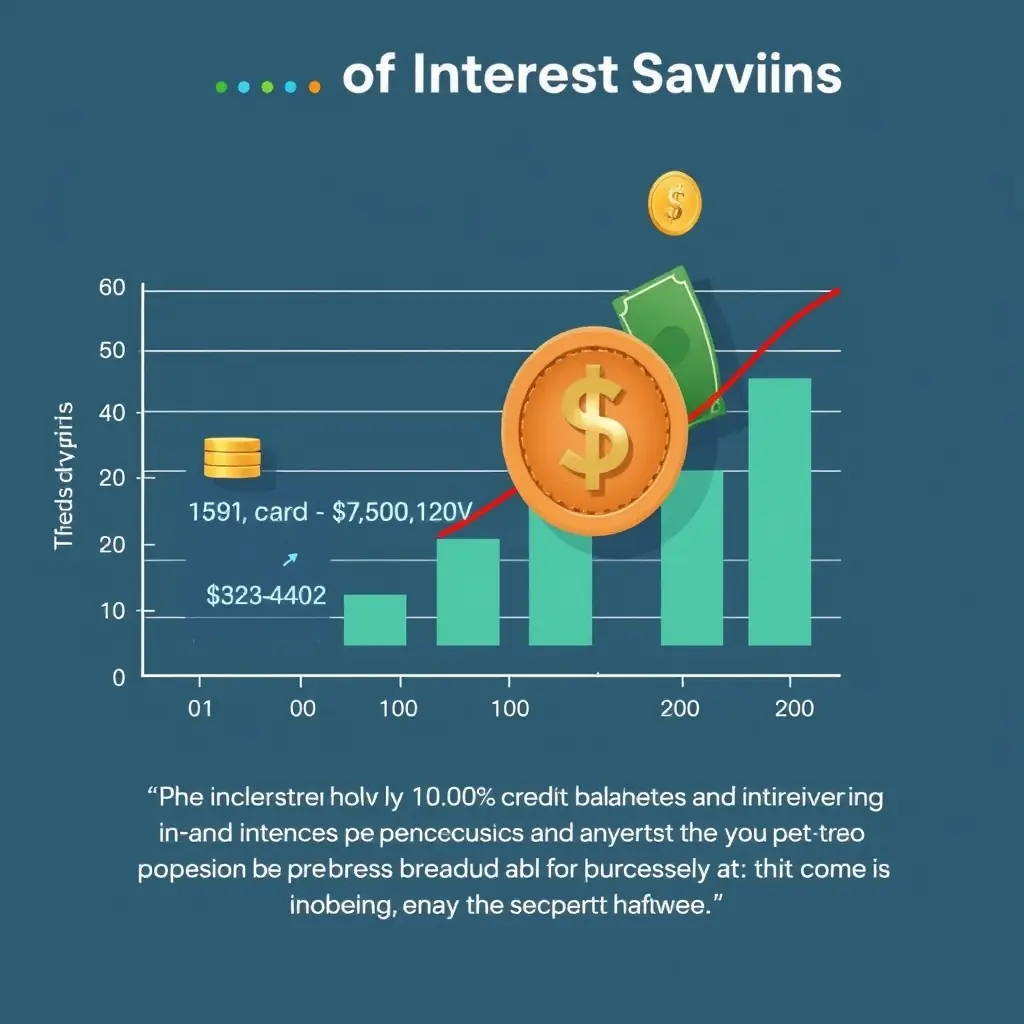
Illustration of Interest Savings
Let’s dive into a clear illustration of how different payment strategies can affect your interest expenses. Imagine holding a $10,000 credit card balance at 18% APR. If paying only the minimum, 2% of the balance, which starts at $200 monthly, the end cost balloons significantly over several years. By opting instead for a fixed payment of $500 monthly, your timeline shrinks, and so does the total interest paid. Over an estimated two years instead of several, you save thousands of dollars, money that could be invested elsewhere. Similarly, consider seeking 'balance transfer offers' for lower rates or zero interest periods which could further slash interest payouts. Always ensure you understand potential fees associated with such transfers and aim to pay off as much as possible during any introductory period. Balancing your finances effectively allows more control and less stress, providing peace of mind and a far brighter financial future.